
Aromatherapy involves the therapeutic use of essential oils. While people claim aromatherapy can help with a range of health issues, research is limited. Aromatherapy is a holistic healing treatment that uses natural plant extracts. It’s sometimes called essential oil therapy. Some people consider aromatherapy both an art and a science. It’s recently gained more recognition in medicine as an alternative remedy, but evidence on it’s efficacy is limited.
Humans have used aromatherapy for thousands of yearsTrusted Source. Ancient cultures in China, India, and Egypt incorporated aromatic plant components in resins, balms, and oils. These natural substances were used for medical and religious purposes.
Distilling essential oils is attributed to the Persians in the 10th century, but the practice may have been in use for a long time prior to this. French physicians in the 19th century recognized the potential of essential oils in treating disease.
The term “aromatherapy” was coined by a French perfumer and chemist René-Maurice Gattefossé in a book he wrote on the topic that was published in 1937. He had previously discovered the healing potential of lavender in treating burns.
Aromatherapy works through Trusted Source the sense of smell and skin absorption. You can use essential oils for aromatherapy through:
- Diffusers
- Aromatic spritzers
- Inhalers
- Bathing salts
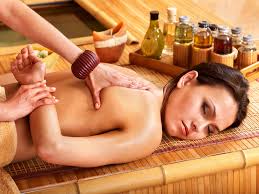
- Body oils, creams, or lotions for massage or topical application
- Facial steamers
- Hot and cold compresses
- Clay masks
There are nearly one hundred types of essential oils available. People commonly use oils like:
- Lavender
- Eucalyptus
- Tea tree
- Peppermint
- Rosemary
- Clary sage
Essential oils are available online, in health food stores, and in some regular supermarkets. Because they’re not regulated Trusted Source by the FDA, it’s important to buy oils from a reputable producer. They shouldn’t contain any additives or synthetic ingredients.
Propoments of aromatherapy claim it can help:
- Manage pain
- Improve sleep quality
- Reduce stress, agitation, and anxiety
- Soothe sore joints
- Help headaches and migraines
- Alleviate side effects of chemotherapy
- Ease discomforts of labor
- Improve digestion
- Boost immunity
Aromatherapy may offer Trusted Source some of these benefits, but it’s important to note that aromatherapy is not a treatment for any medical condition. While it may provide relief from certain symptoms, it shouldn’t replace and treatments prescribed by a healthcare professional.
Some popular essential oils are:
- Clary sage
- Cypress
- Eucalyptus
- Fennel
- Geranium
- Ginger
- Helichrysum
- Lavender
- Lemon
- Lemongrass
- Mandarin
- Nroli
- Patchouli
- Peppermint
- Roman chamomile
- Rose
- Rosemary
- Tea tree
- Vetiver
- Vlang ylang
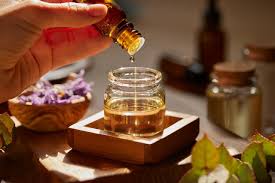
You can use essential oils in any number of ways. For example, you can add them to body lotions or carrier oils, and then apply them topically. You can also diffuse or spritz the oils throughout a room or pour them into a bath.